
COMMONWEALTH GAME boxing is often regarded as a minor sport that can't be compared to the European Championships and World Championships.
You won't find those who have spilt their blood agreeing to that rather snobbish viewpoint.
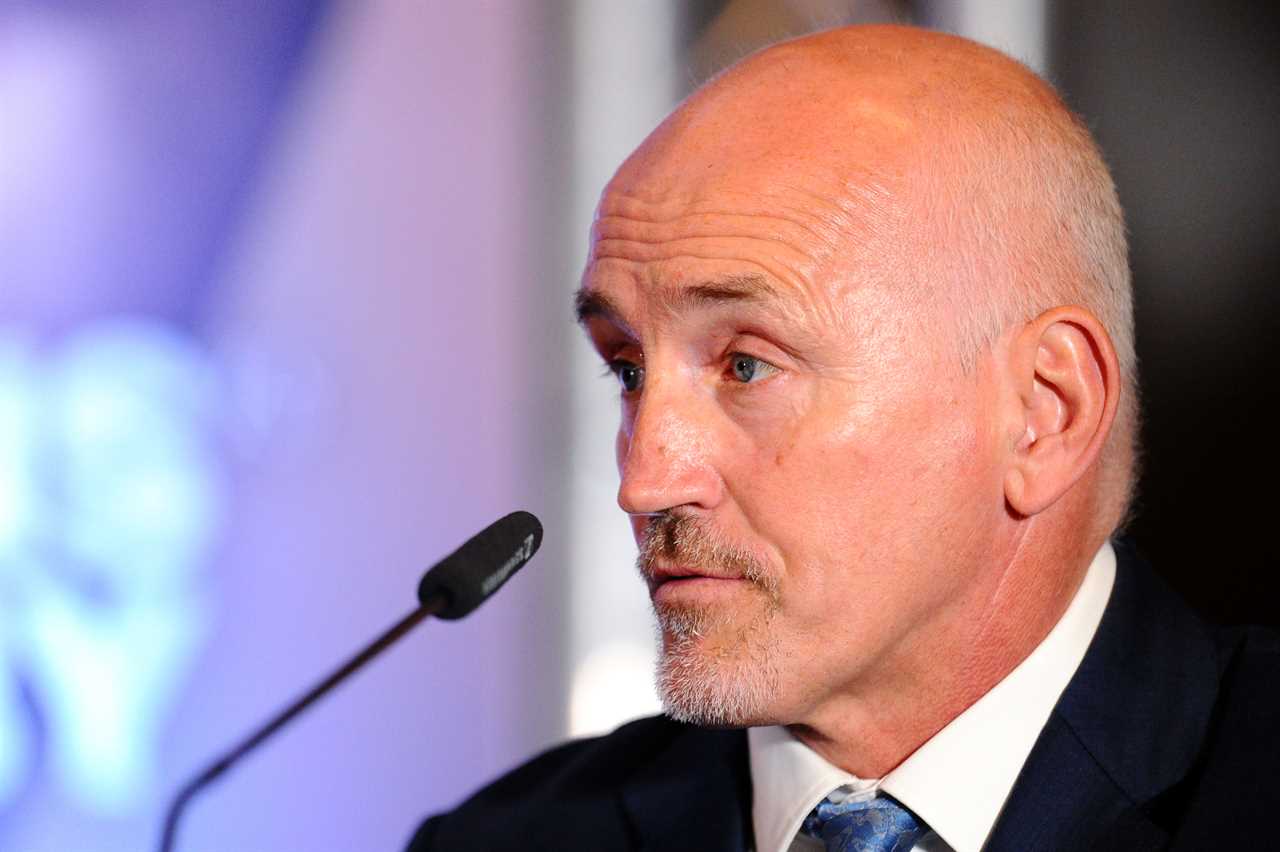
Barry McGuigan's Commonwealth Games medal isn’t very prestigious, try telling him.
It is true that it cannot be considered a global event. However, having covered eight Commonwealths from Edinburgh in 1970 to Kuala Lumpur 1998, I can assure those in doubt that everyone who stood proudly on the winners' rostrum had to fight hard for their medals.
Birmingham's NEC will be home to many talented Africans, as well as those from the Southern Hemisphere or Caribbean. They will also see ambitious boxers representing their four home countries.
Barry McGuigan is the most qualified person to confirm the importance and quality of the nine-day event.
Barry says it was the experience at the 1978 Commonwealths, Edmonton, Alberta that convinced him that he had what it took to succeed.
The Clones Cyclone, a man worshipped by both sides of the Irish division during the worst of the Troubles, flew to Canada 44 year ago to represent Northern Ireland.
Barry, the baby bantamweight, was his name at that time. He hadn't yet turned 17 and looked like he should have been back in Clones to do his homework.
It has been banned for some time from allowing children to compete against men who are more experienced.
Amazingly, McGuigan, inspired by the green vest, displayed the fighting qualities that would later make him famous to millions of people. He returned home with the gold medal around his neck, despite his youth.
Barry was my chat partner this week. I asked him, as it was so far back, if he could recall the name of his opponent in the final.
He shook his head in dismay at the thought and said, "Remember him?" I'll never forget him!
"His name is Tumat Sugolik, and he was from Papua New Guinea. His memory is imprinted in my brain for all time.
"That's because he hit my right hand with such force that it nearly took my head off. I was hit harder than anyone in my professional and amateur careers.
"Anyone who considers boxing at the Commonwealth Games second-rate is ignorant of how difficult and competitive it can be."
"My Edmonton victory and experience made me realize that if I train hard and live a life that is successful, I can turn pro with the possibility of a lucrative career."
McGuigan won the world featherweight title, and became a legend. Four other Commonwealth gold medallists were able to win professional world titles. This is a testament to how high the standard can be.
John Conteh (Edinburgh 1970), Chris Pyatt, (Brisbane 1982), Wayne McCullough, Richie Woodhall (Auckland 1990) are the other.
Woodhall, a Birmingham boy, will be one of the BBC’s commentators. He said that "Competing in the Games will do wonders to the youngsters' morale."
"I was 22 years old when I won my first gold medal. It gave me tremendous confidence that I could be an international force."
Conteh, a 19-year-old brilliant middleweight, was electrifying the crowd when he became Commonwealth champion.
My favourite Scouser, when I asked him if he could recall who he beat 52 year ago, replied: "I'm 71... If I could remember that I would be asking to get my pro license back!"
It was Titus Simba from Tanzania, for the record.
Four years ago, the England team in Queensland led medal table with six golds and one silver. The total is expected to be replicated by the England squad, which consists of six women and eight men.
Delicious Orie, a Russian super-heavyweight, and Lewis Williams, a Leamington heavyweight could be the stars of the show. They will likely become household names by the finals day on Aug 7.
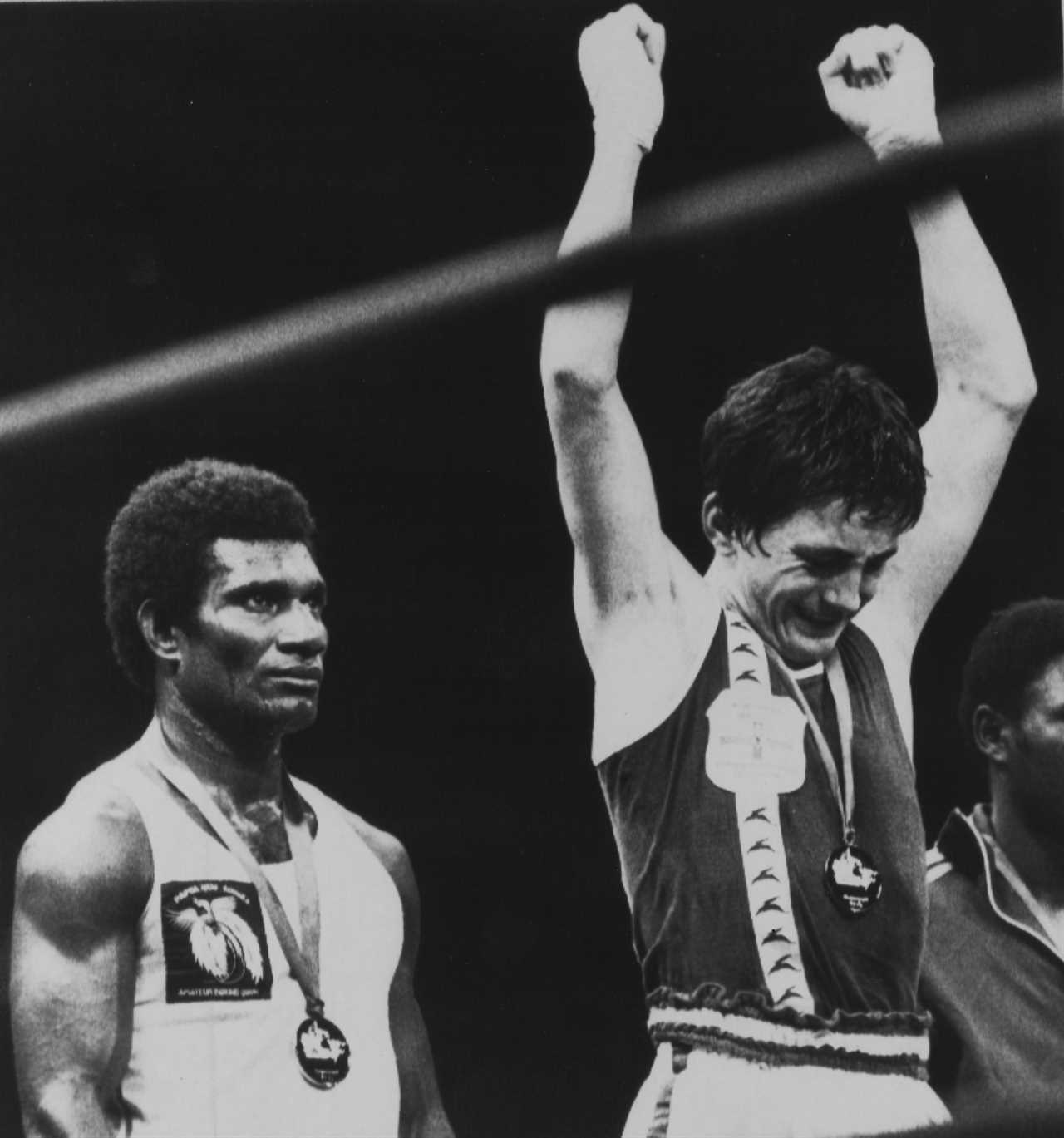
Barry McGuigan won the gold medal in 1978


