
OLEKSANDR USAYK wants to keep his heavyweight belts when he faces Anthony Joshua in an epic rematch in Saudi Arabia.
The shaved-headed Ukrainian has now a new look and he hopes to give his country a boost after the Russian invasion.
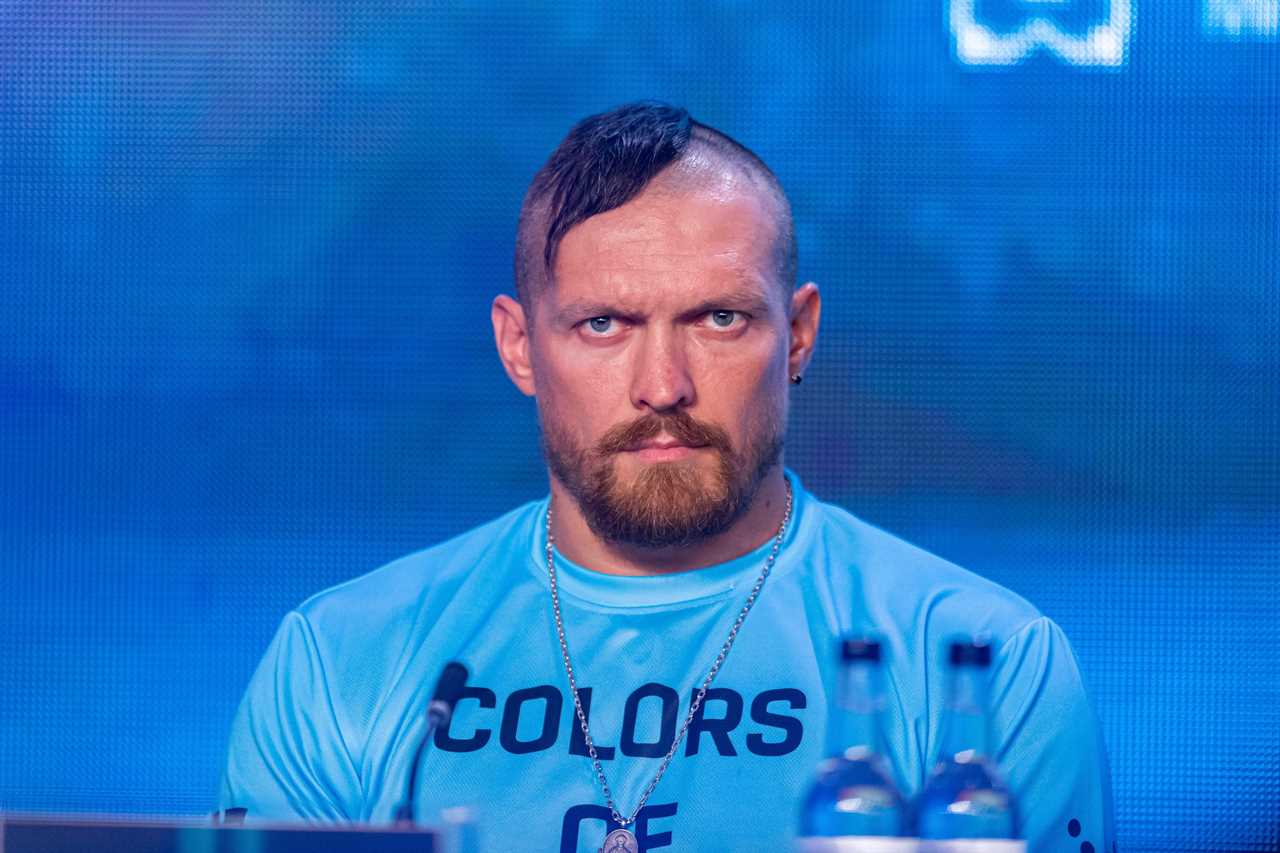
Oleksandr Usyk arrived at his pre-fight press conference alongside Anthony Joshua wearing a traditional Ukrainian Cossack hairstyle
Pre-fight press conferences: Usyk had one hair, which was known as an "osedelets" style.
Anthony Joshua vs Oleksandr Uzyk Free Bets and Sign Up Offers for HUGE Saudi Rematch
What does Oleksandr Usyk’s haircut symbolize?
The Cossacks are a group of warriors from South and East Ukraine and Russia. Their traditional haircut is the osedelets.
It is sometimes called a khokhol in Russia and used as a derogatory term to describe Ukrainians.
Although Usyk was shaven-headed after beating Anthony Joshua in 2021 he has fought many times before with an osedelet.
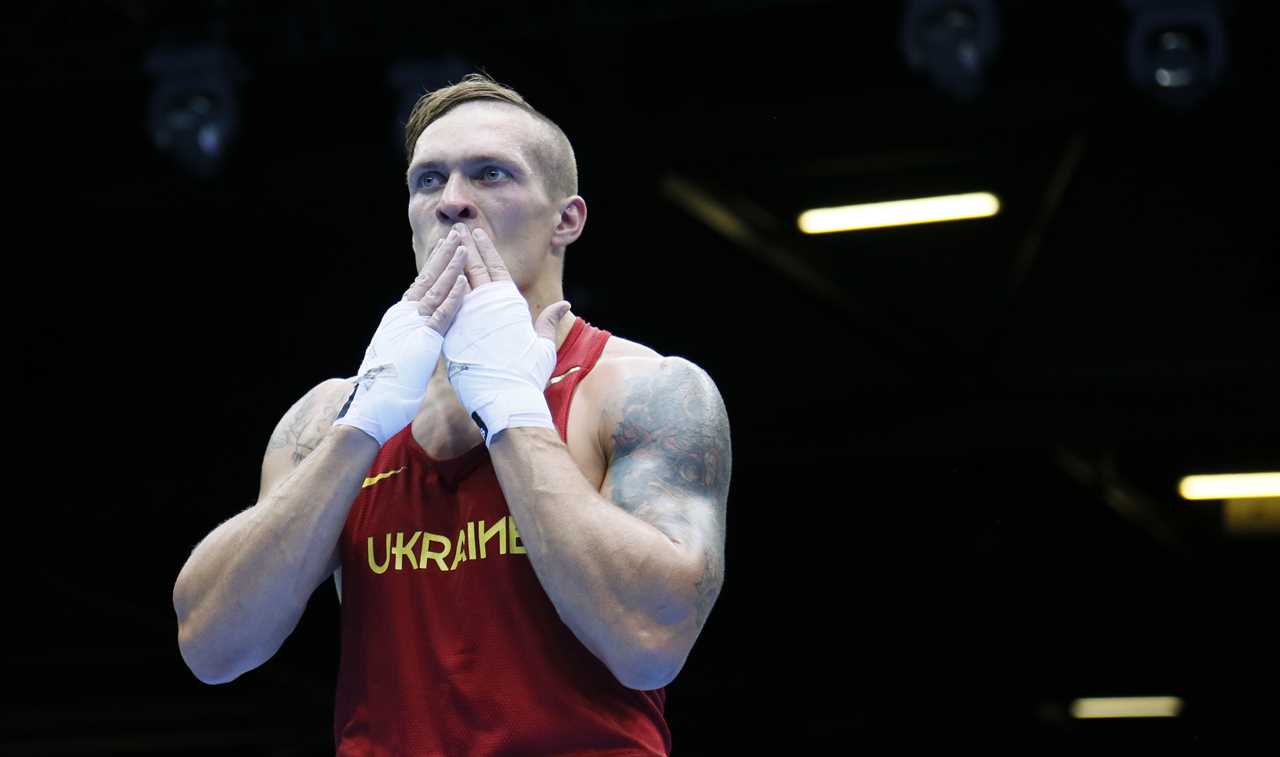
Usyk had also the osedelets during London 2012 Olympic Games
This includes the day he won a heavyweight gold medal at London 2012 Olympics. Joshua would be the super-heavyweight Olympic champion the next day.
He said, "You should know that Cossack Oselets haircuts and hopaks on the rings are not just part of my image, but are a tribute our history and culture."
After beating Joshua at Tottenham Hotspur Stadium, Usyk performed the hopak, a traditional Cossack dance.
Where did the osedelets come from?
The Vikings may have adopted half-shaven haircuts from the Slavic people who they captured in Kyiv in 10th Century. They created Kievan Rus, which would eventually become Russia and Ukraine.
They were so popular among Vikings, that William the Conqueror was photographed with a similar hairstyle in the Bayeux Tapestry depicting the triumph of the Normans at the Battle of Hastings (1066).
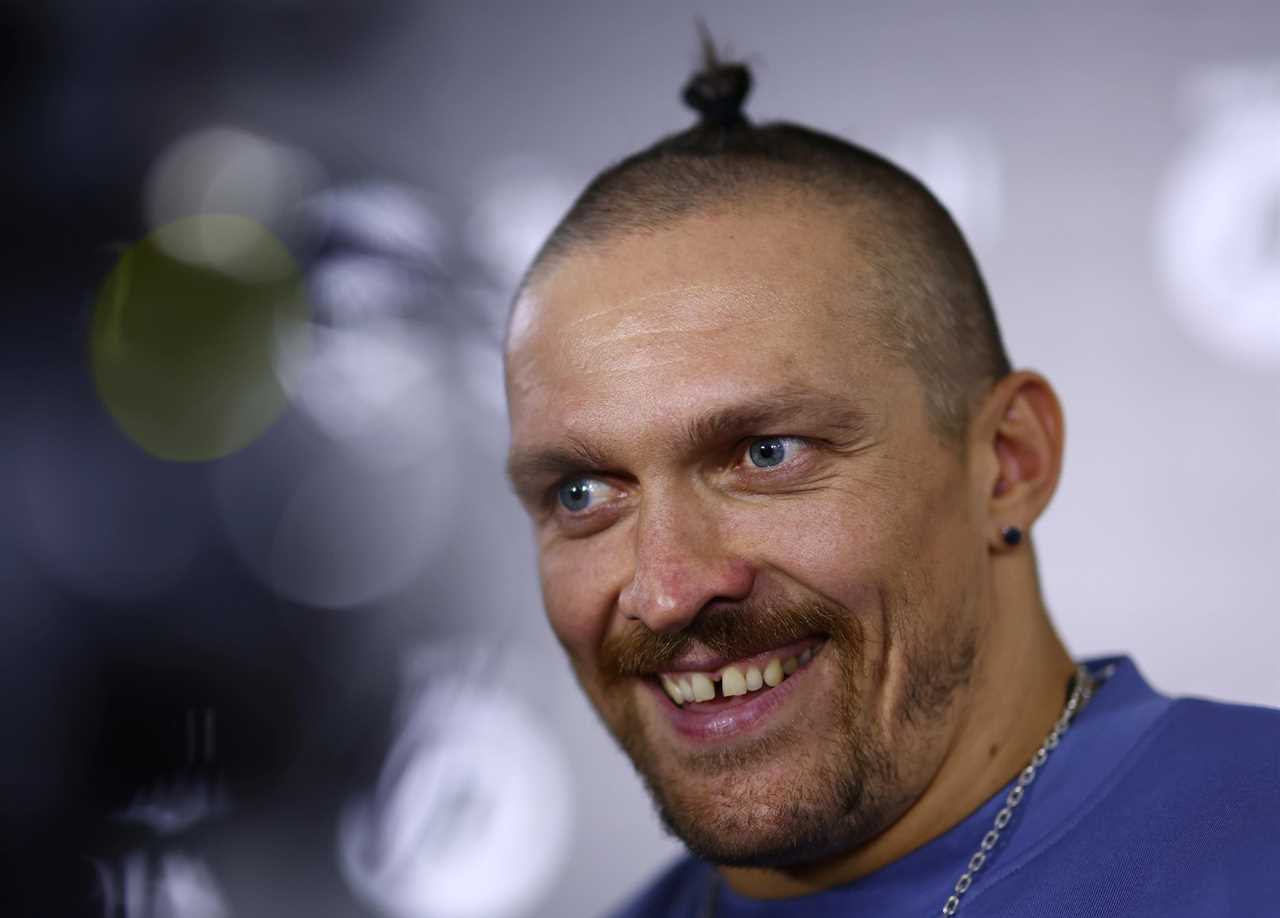
Usyk speaks to the media during the build-up to fighting in Saudi Arabia
In its current form, the osedelets was adopted in 16th century Ukraine by Cossacks. They would leave a long central strip that was braided or tied in topknots on top of a shaven heads.
It was popularized again among Ukrainian nationalists in the early 20th century, before it was suppressed under Stalin's rule.
With Ukraine's independence in 1990s, it would make a second comeback.


