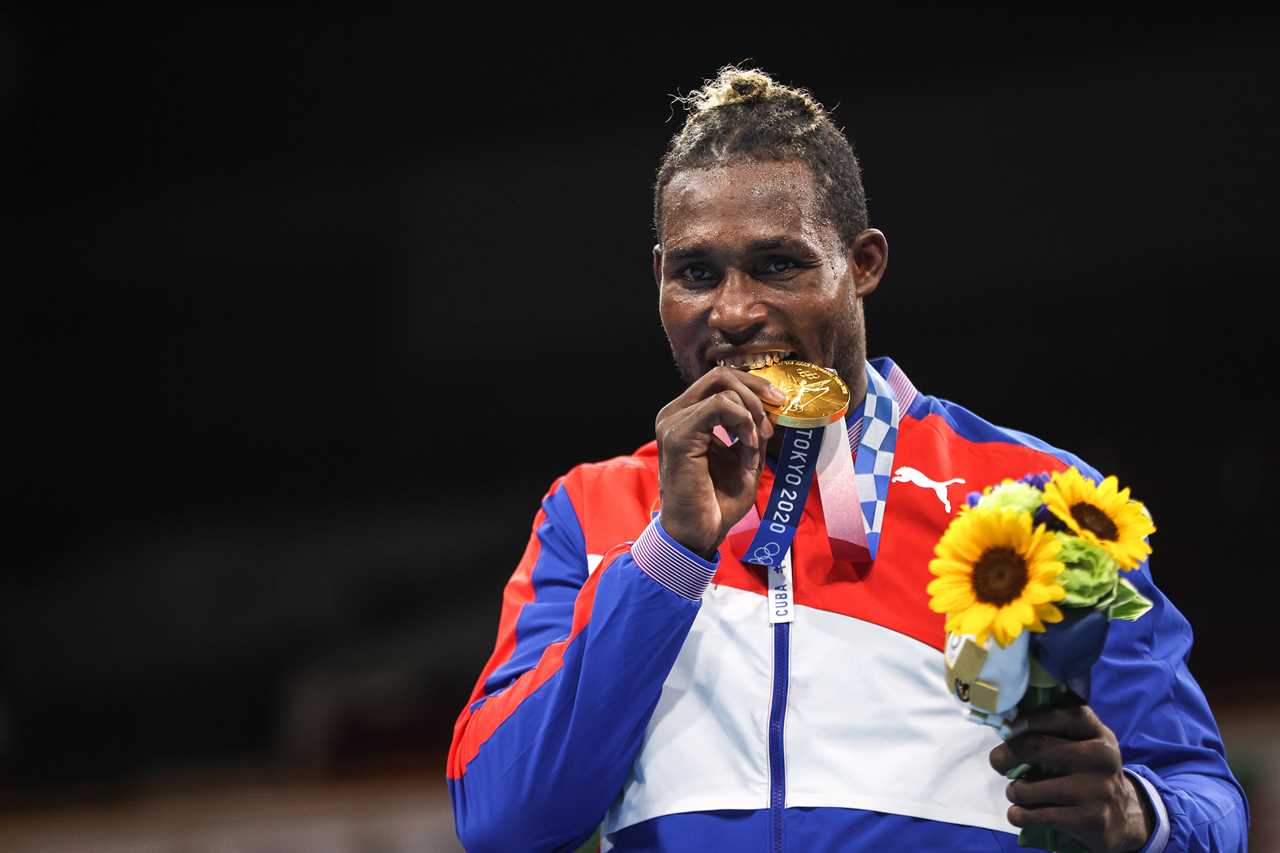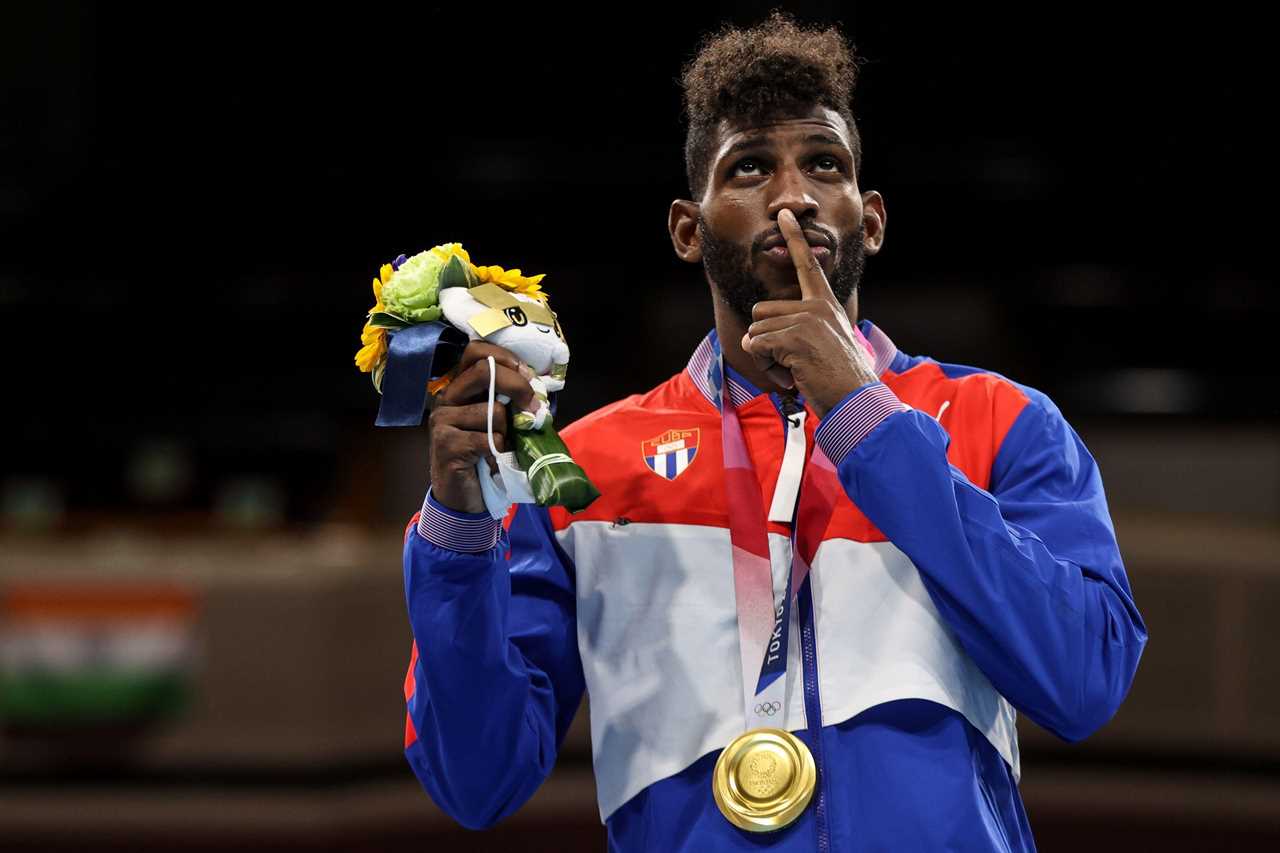
CUBANS are the kings and queens of amateur boxing, but they are BANNED from becoming professional.
Some of the greatest champions of the past have had to flee the country on speedboats or disguised themselves as such.
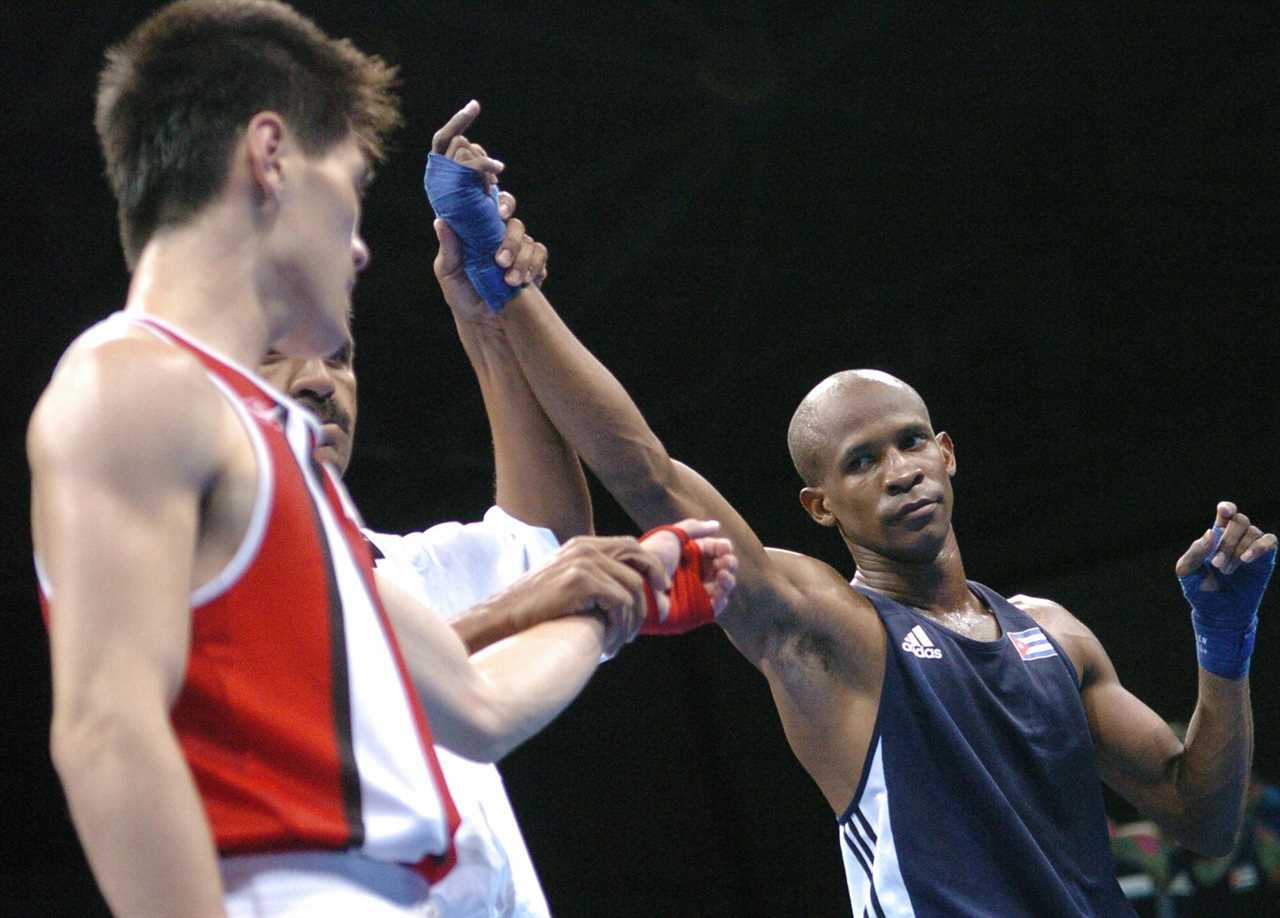
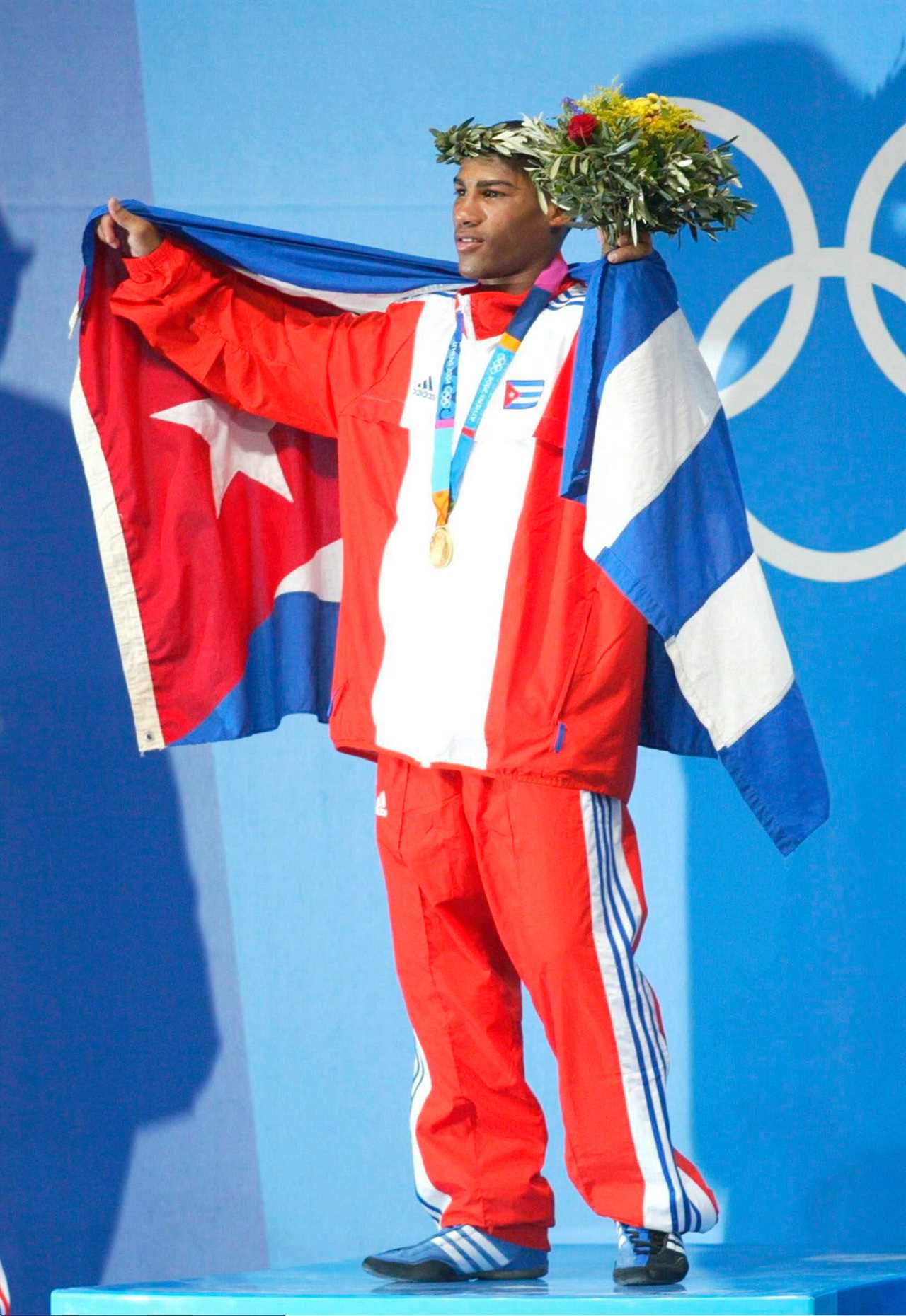
Yan Barthelemy Varela (right), of of Cuba, 2004
Cuba's ex-leader Fidel Castro considered it corrupt and prohibited Cuban prostitution since 1962.
Since then, Cubans have been persuaded to fight for their country and not for cash.
Felix Savon, a heavyweight legend and three-time Olympic gold medalist, turned down Mike Tyson's offer to face him.
Don King, a legendary promoter, offered Savon many multimillion-dollar deals to defect to Tyson.
His response? His response?
Savon was loyal to the amateur code but not all his countrymen shared the same ethos.
Many of the 2004 Olympic champions from Cuba in Athens made the decision to move to America and pursue their dreams of a world title.
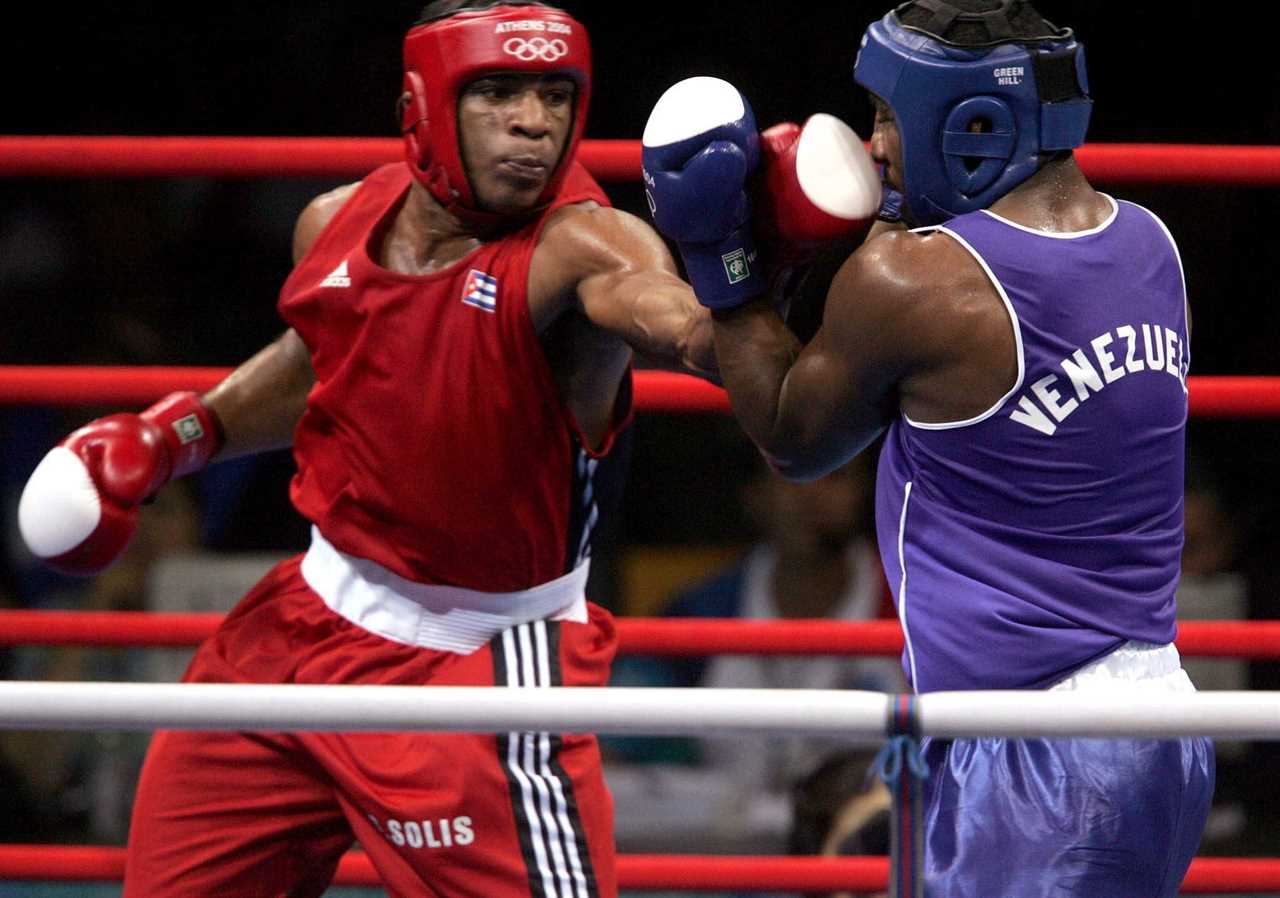
Odlanier Solis and Yuriorkis Gamoa sold their Greek medals for as low as PS1,000 to purchase food for their families.
They then made a run for it and headed to Colombia, as they were on their way to Venezuela to attend a team training camp.
They then went to Germany, where they signed professional contracts, while waiting for US visas.
Guillermo Rigondeaux, Erislandy Lara were inspired by the idea but their attempts to make it happen in 2007 were thwarted.
They were representing Cuba at the Pan American Games in Rio de Janeiro when they disappeared.
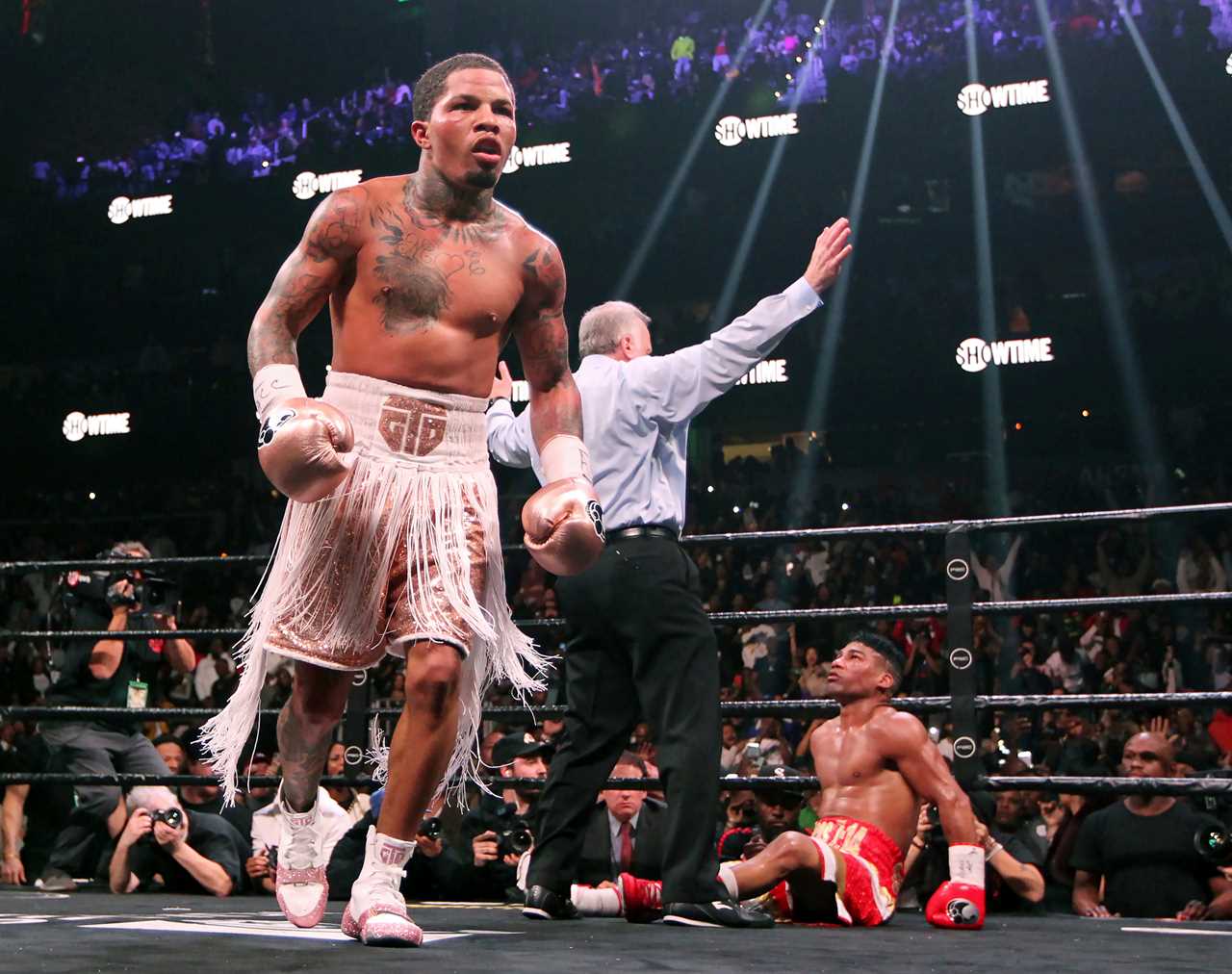
According to The Independent they disguised themselves as women in order to pass Brazilian security but were caught in a BROTHEL.
They were banned from representing Cuba again and this only fuelled their desire to escape.
They each defected to America by 2009, Rigondeaux and Lara both winning world titles later as pros.
Cuba was in a bit of a crisis in Beijing 2008 when five of their Olympians were tempted to join the paid ranks.
They left the Games with no gold medals in boxing for the first time since 1988.
It didn't last, however, as they won two golds and two bronzes in London four years later.
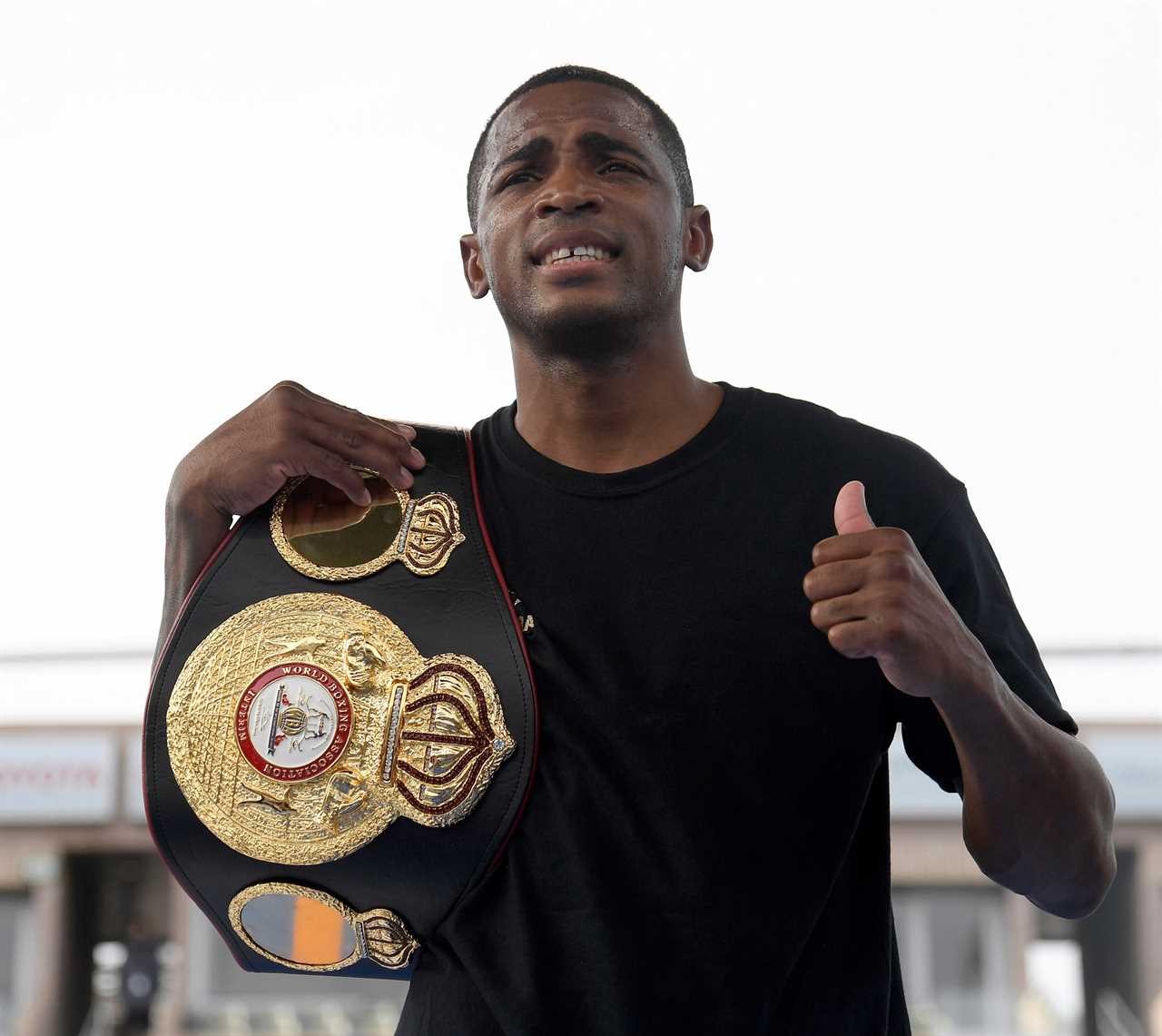
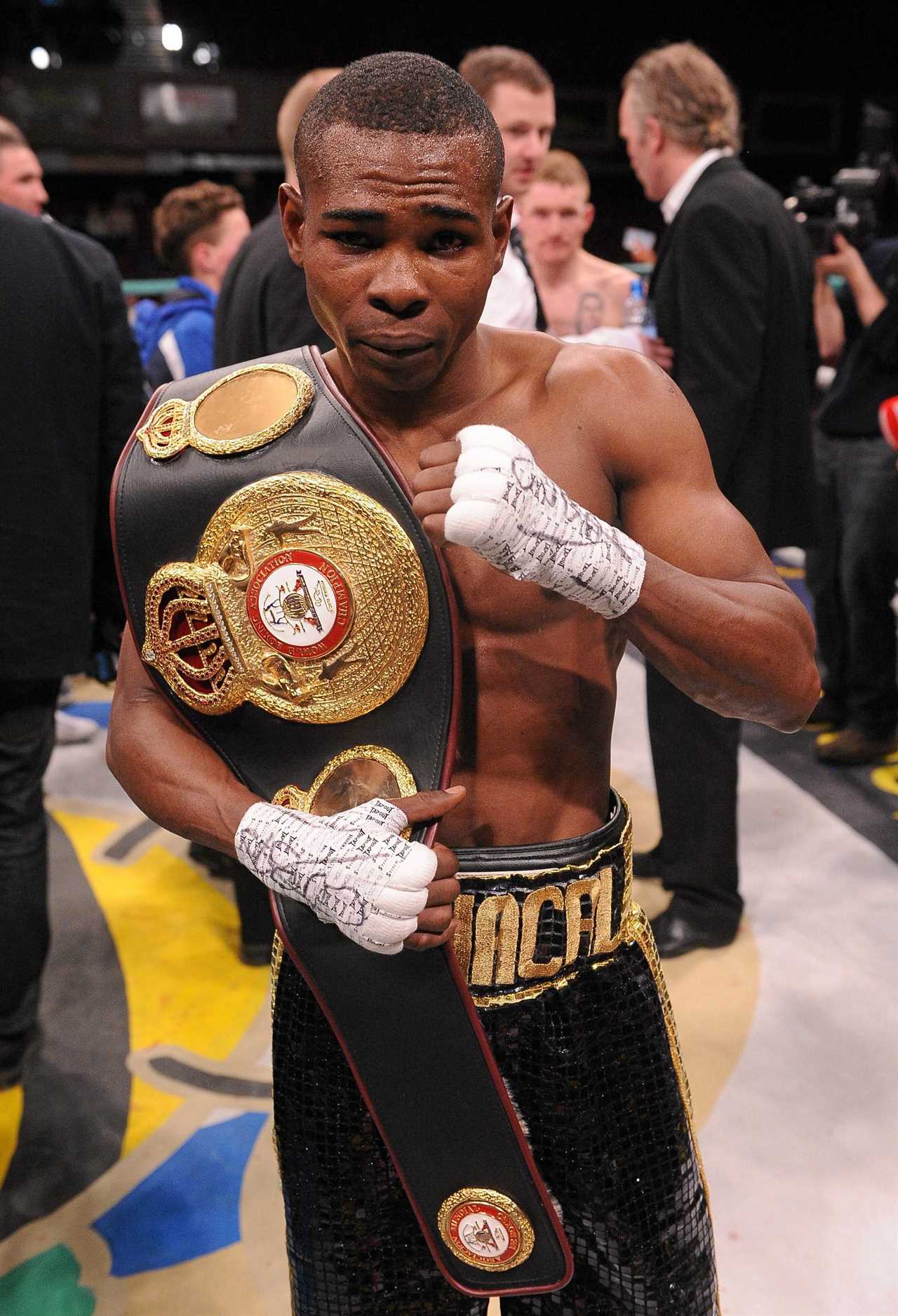
Even more, however, was the fact that no one on the team ever turned around.
Lenier Pero and Robeisy Ramirez, along with Joahnys Argilagos, had all left Rio by the end of the next Olympics.
The Cuban authorities had to fight to convince their new stable to stay put after the 2020 Games at Tokyo were delayed by the coronavirus pandemic.
They succeeded and Cuba topped the medal charts, with four golds (and one bronze).
Julio Cesar La Cruz and Arlen Lopez won gold, while Andy Cruz won bronze.
Lopez, La Cruz and Iglesias all won multi-medal awards, a sign that they are dedicated to the amateur code.
However, Cuba is back at the top of Olympic-style boxing. It remains to be seen whether future champs will be lured away from home by prizefighting careers.
FREE BETS GET OVER PS2,000 IN SIGN UP OFFERS HERE